


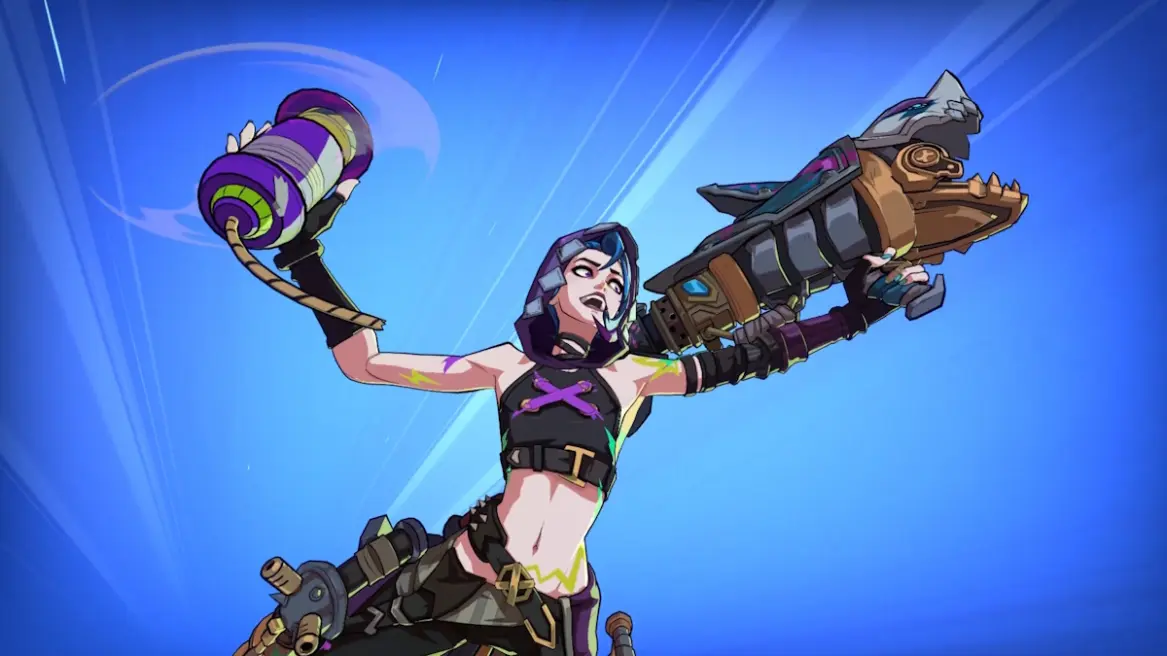
We’ve all been there. You log on to play your favorite first person shooter, you drop in, gather loot, then four people in Kpop Demon Hunter outfits murder your entire squad and proceed to sing and dance on your body.
This strange, post-modern experience is a reality in many modern FPS games, but for those like me with IP-fatigue, at least there is Battlefield 6.
In a world of constant overstimulation and overpromotion of products and celebrities, Battlefield 6 has become a safe haven — one of the only remaining FPS properties for those who want to play a game that takes itself seriously, and doesn’t sell out its aesthetic for a few extra bones.
The billboardification of games
Over the past eight years or so, there has been a significant aesthetic shift in video game monetization — largely driven by Fortnite’s early success with crossover skin content. While cosmetic microtransactions and loot boxes aren’t new, those cosmetics have gradually transformed from original art that matches the game’s themes and aesthetic to just whatever IP was willing to pay the publisher a bunch of money.

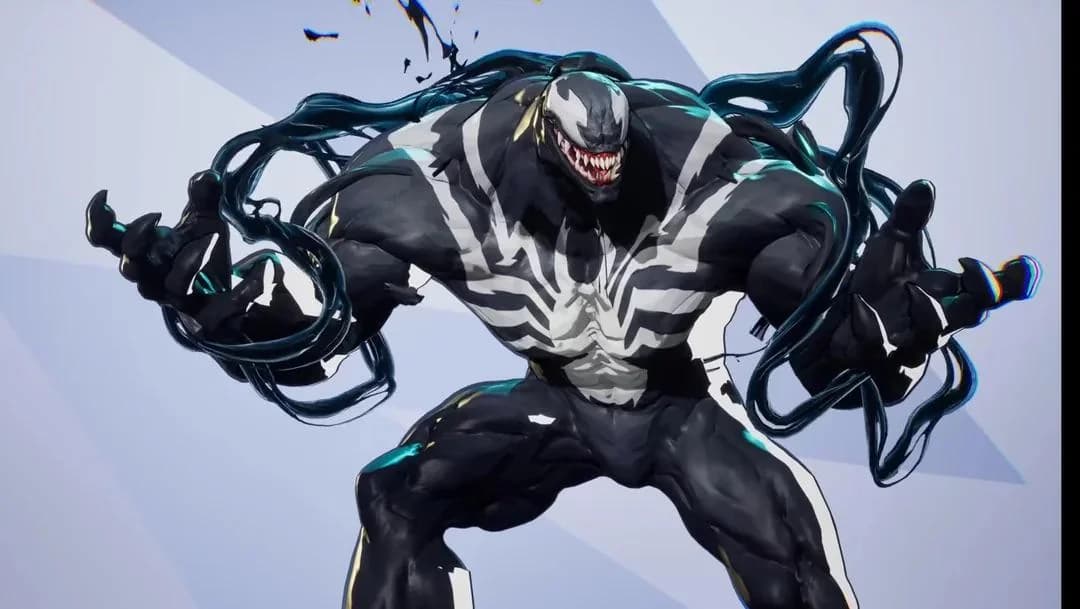
Where once we saw in-universe IP as the primary driver of cosmetics, in games including Overwatch, Fortnite, Call of Duty, and even Apex Legends, outside IPs have been injected into pretty much every match you play. This phenomenon is not limited to video games either; Magic: The Gathering has also released many sets using IP as random as the NBC sitcom The Office.
So if you enjoyed the grounded fantasy art of MTG, too bad, because now Dwight Schrute is here to send your Thought-Knot Seer to the graveyard.
Suffice it to say, it’s become the norm for games to sell themselves as a digital billboard for new movies, albums, anime, or television shows. So when you play, rather than getting immersed in the world the game has to offer, you are instead bombarded with a smorgasbord of jumbled pop culture references that immediately take you out of the experience.
Battlefield sticks to its guns, literally
Battlefield 6 has proudly staked its flag in a realistic aesthetic when it comes to gun camos and personal customization. In fact, they quite publicly rejected the trend of goofy gun skins and silly crossovers.
Ahead of release, the Technical Director of Battlefield, Christopher Buhl, said: “Other games can and should be whatever they want to be, right? Fortnite is pretty goofy, and that game is pretty good. So, I think where we end up is we’re pretty happy with where we are. We are a gritty, grounded, realistic shooter.”

This commitment has been even more noticeable than many gamers had anticipated, a breath of fresh air amid the stale crossover culture of modern gaming. When I am playing battlefield, I can immerse myself in this war torn world without doing battle with Sabrina Carpenter running around wearing what appears to be yellow pajamas.
While the mastery gun skins haven’t floored everyone, with many fans asking for something more flashy as a reward for grinding through all those levels, in my opinion, I would rather have some underwhelming skins that don’t break the logic of the game world than have something flashy that feels out of place.
This is particularly the case when it comes to Battlefield, a series that has long prided itself on its immersive, cinematic nature. Hell, they even have film grain as a visual option — they don’t want to promote someone else’s movie, they want to be the movie.
And it’s been a success. Battlefield 6 sold seven million copies in its first week, a franchise record. Much of those sales can be attributed to its notable return to form and excellent beta, but there is no doubt in my mind that the aesthetic choices they made are also a contributing factor to the love fans are showing for the game.
Hopefully, other games will take note and stop selling out their artistic integrity to make a bit more cash by putting outside IP in their shops.





Last Updated On: Oct 24, 2025 9:07 pm CEST